
Early stage entrepreneurs can create validated learnings by quantifying customer feedback through structured experiments, rigorous metrics, and systematic data gathering instead of relying solely on qualitative conversations. This means designing measurable tests for key business assumptions and tracking numerical outcomes, so learning is actionable, accessible, and auditable. [1] [2] [3]
Essential Context and How to Apply Rigor:
Define Key Assumptions
Start by identifying the riskiest assumptions in your business model. These assumptions often relate to who your real customer is, what problem you’re solving, and what solution is valuable. [2] [3]Operationalize Assumptions into Testable Metrics
Transform assumptions into hypotheses with clear metrics. Instead of “Will customers like our app?” ask, “Does at least 35% of users invited to try our app sign up and complete a task?”
This step ensures your learning is actionable—linked to specific activities, and accessible—measurable units understandable by all stakeholders. [1]Use Quantitative Methods During Customer Conversations
Build-Measure-Learn Loop
Adopt The Lean Startup cycle:Build a minimum viable product (MVP)—a basic version that lets you test your core assumption. [4] [3]
Measure customer interaction (e.g., conversion rates, feature usage, retention).
Learn by comparing actual results to the hypothesis, and use the numbers to validate or invalidate your assumptions. [3]

Conduct Structured Experiments
Run A/B tests: Present two versions of a feature and record which performs better across a statistically significant sample.
Use surveys with numerical ratings (Net Promoter Score, likeliness to buy, etc.).
Track behavioral metrics: signups, purchases, feature engagement rates. [1] [2]
Metrics Must Be Auditable
Ensure that all feedback you collect can be verified and replicated by others. Data like percentage of positive responses, retention rates over time, or conversion funnels demonstrate real progress. [1]Prioritize Value and Minimize Waste
Quantified learning reveals which activities deliver value and which don’t. Focus only on what creates customer engagement or growth, and use the numbers to decide when to pivot or persevere. [4] [3]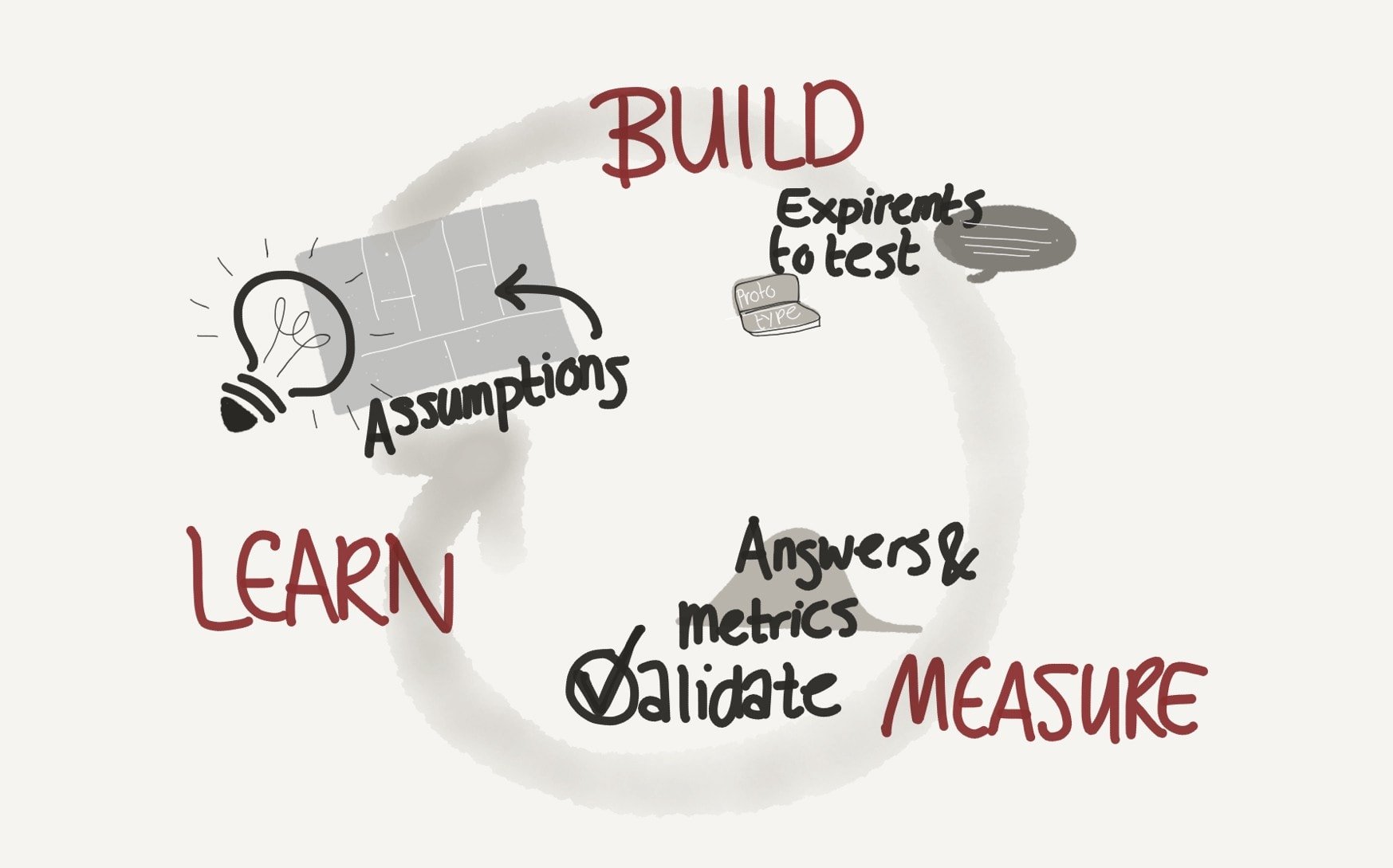
Summary of the Three A’s of Validated Learning (Actionable, Accessible, Auditable):
| Principle | Description | Example Metric |
|---|---|---|
| Actionable | Learning tied to decisions and activities | % of interviewees who commit to pay |
| Accessible | Measured in units/milestones all can understand | Weekly retention rate |
| Auditable | Numbers are trackable and can be independently verified | Raw counts, percentages |
By quantifying customer feedback through these methods, entrepreneurs ensure their learnings are meaningful, repeatable, and evidence-based, giving them a reliable basis to refine their products or business models. [1] [2] [3]
Citations
[5]: 2025, Aug 12. Validated Learning - Product Bookshelf. Published: 2011-11-14 | Updated: 2025-08-12